
Springtail Pest Management and Control Services by Kumo Pest Control
Earwigs in Smithfield, NC: Why They Enter Homes and How to Prevent Them
Finding an earwig inside your Smithfield home can be unsettling. Their long bodies and rear pincers make them look threatening, but earwigs are generally nuisance pests rather than a danger to people.
Earwigs normally live outdoors in cool, damp areas. They may move inside when weather conditions change or when moisture, landscaping, and small openings make a home easier to enter.
Seeing one earwig does not necessarily mean you have an indoor infestation. However, frequent sightings may indicate a larger population around the exterior of the home or conditions that continue to attract them.
How to Identify an Earwig
Earwigs have narrow, flattened bodies and a noticeable pair of forceps-like pincers at the end of the abdomen. They are usually brown or reddish-brown and are large enough to see clearly without magnification.
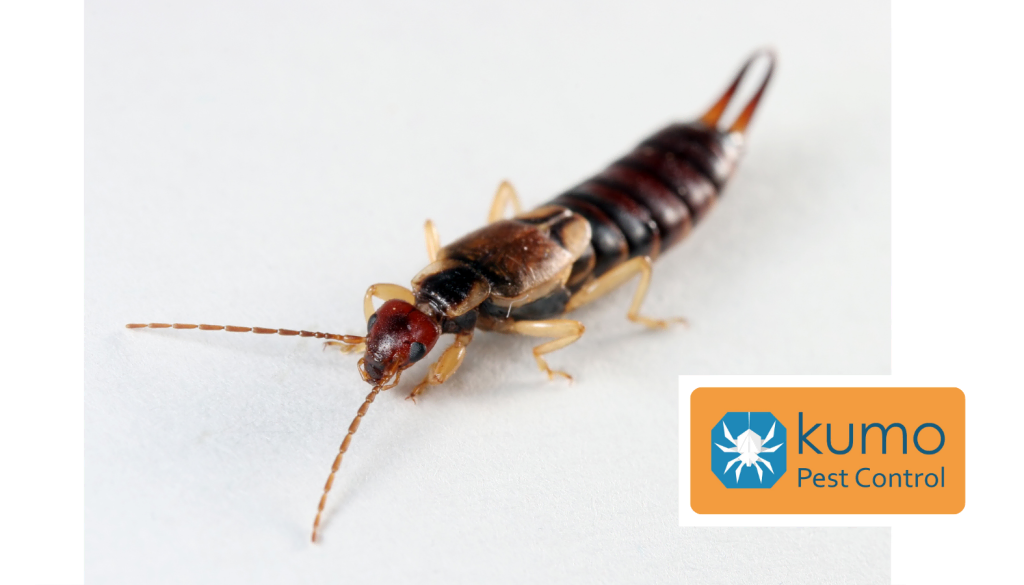
Earwigs are most active at night. During the day, they tend to hide in dark, protected areas such as:
- Mulch and leaf litter
- Beneath boards, stones, and landscape materials
- Woodpiles and stored outdoor items
- Damp crawl spaces and basements
- Garages and sheds
- Beneath sinks and around plumbing
- Near tubs, showers, and other humid areas
The rear pincers are the easiest way to distinguish an earwig from other household pests.
Why Do Earwigs Enter Smithfield Homes?
Earwigs need moisture and shelter. Conditions around a property can make it easier for them to live near the foundation and eventually move indoors.
Common contributing conditions include:
- Thick mulch placed directly against the house
- Wet leaves or plant debris around the foundation
- Leaking outdoor faucets
- Damp crawl spaces or basements
- Gutters or downspouts that leave water near the home
- Wood, cardboard, or stored materials resting on damp soil
- Worn door sweeps
- Gaps around windows and utility lines
- Cracks around the foundation
Earwigs may become more noticeable indoors during hot or dry weather because they are searching for cooler, more humid conditions. They can also be carried inside accidentally in firewood, boxes, outdoor furniture, plants, or garden materials.
Are Earwigs Dangerous?
Earwigs may look intimidating, but they do not normally seek out or attack people. The common story that earwigs crawl into human ears is a myth and does not reflect their usual behavior.
They may use their pincers defensively when handled, but they are not venomous and are not known for spreading disease inside homes.
Most indoor earwig activity is a nuisance rather than a health threat. The more important issue is determining why they are entering and whether moisture or exterior conditions are contributing to repeated sightings.
Signs of Ongoing Earwig Activity
You may have more than an occasional visitor when you notice:
- Earwigs appearing indoors repeatedly
- Several earwigs around bathrooms, kitchens, or laundry areas
- Activity near exterior doors and windows
- Earwigs in a garage, basement, or crawl space
- Large numbers beneath mulch or landscape materials
- Continued sightings after removing individual insects
Because earwigs are active mainly at night, you may see only a small portion of the activity around the property.
How to Help Prevent Earwigs
Long-term prevention should address both the outdoor conditions attracting earwigs and the openings allowing them to enter.
Reduce moisture
Repair leaking faucets, pipes, and air-conditioning drainage problems. Make sure gutters and downspouts carry water away from the foundation.
If a basement or crawl space remains damp, improving ventilation or using a dehumidifier may help reduce favorable conditions.
Adjust mulch and landscaping
Avoid piling thick mulch directly against the foundation. Remove wet leaves, boards, cardboard, and other debris that provides cool, damp shelter.
Keep firewood raised off the ground and stored away from the home whenever possible.
Seal entry points
Inspect the exterior for:
- Damaged door sweeps
- Gaps around windows
- Openings around pipes and utility lines
- Cracks near the foundation
- Damaged screens
- Gaps around crawl-space doors
Seal accessible openings where appropriate.
Remove occasional earwigs
Individual earwigs can be removed with a vacuum, broom, or sticky trap. These methods help with insects already inside but will not stop additional earwigs from entering if exterior conditions remain unchanged.
Earwig or Springtail?
Earwigs and springtails can both appear in damp areas, but they are easy to distinguish.
An earwig has a clearly visible, elongated body with pincers at the rear. A springtail is much smaller and often looks like a tiny moving speck that jumps when disturbed.
Seeing tiny jumping pests instead? Read our guide to springtails in Smithfield homes.
When to Contact a Pest-Control Professional
Consider requesting a professional inspection when:
- Earwigs continue appearing indoors
- Large numbers are present around the foundation
- You cannot determine how they are entering
- Damp crawl-space or basement conditions are involved
- Preventive changes have not reduced the activity
- Other household pests are appearing at the same time
Correct identification is important because earwigs, springtails, roaches, silverfish, and other moisture-associated pests may require different recommendations.
Earwig Control for Smithfield Homeowners
Kumo Pest Control serves homeowners in Smithfield and surrounding communities in Johnston and Wake counties.
A technician can inspect the areas where earwigs are appearing, evaluate possible entry points, and review conditions around the exterior of the home. Based on the findings, Kumo can recommend whether one of its residential pest-control programs is appropriate for the activity present.
Homeowners can also review Kumo’s pricing and program options before scheduling service.
Frequently Asked Questions About Earwigs
Why am I finding earwigs in my bathroom?
Bathrooms provide moisture and protected hiding places. Check for plumbing leaks, condensation, gaps around pipes, and openings near exterior walls or windows.
Do earwigs infest houses?
Earwigs usually live outdoors and enter homes while searching for moisture or shelter. They do not typically establish large indoor populations unless unusually damp conditions support them.
Does seeing earwigs mean my home is dirty?
No. Earwig activity is more closely related to moisture, outdoor habitat, weather, and entry points than normal household cleanliness.
Can mulch attract earwigs?
Yes. Moist mulch provides shelter and organic material. Keeping mulch from resting directly against the foundation may help reduce activity close to the home.
Will earwigs go away on their own?
An occasional earwig may be temporary. Repeated activity is less likely to stop until moisture, outdoor hiding places, or entry points are addressed.
Get Help With Earwigs in Smithfield, NC
Earwig control is most effective when indoor sightings and exterior conditions are addressed together. Reducing moisture, removing hiding places, improving drainage, and sealing entry points can make the property less attractive to earwigs.
When earwigs continue appearing, Kumo Pest Control can inspect the property and recommend an appropriate next step.
Call 919-628-0833 or contact Kumo Pest Control to request help with pest activity at your Smithfield home.
Follow us on Facebook for the latest updates and pest control tips.