
Mice and Rodent Control Services by Kumo Pest Control NC, Locally owned and operated.
Springtails in Smithfield, NC: Why They Appear and What to Do
Tiny pests that jump around a bathtub, sink, windowsill, basement, or damp foundation may be springtails.
Springtails are extremely small organisms that thrive in moist environments. They are generally harmless to people, pets, and buildings, but their sudden appearance in large numbers can be frustrating for homeowners.
Because springtails depend on moisture, successful control usually begins with finding and correcting the damp conditions supporting them. Removing only the springtails you can see may provide temporary relief, but activity can continue when leaks, humidity, wet soil, or drainage problems remain unresolved.
What Are Springtails?
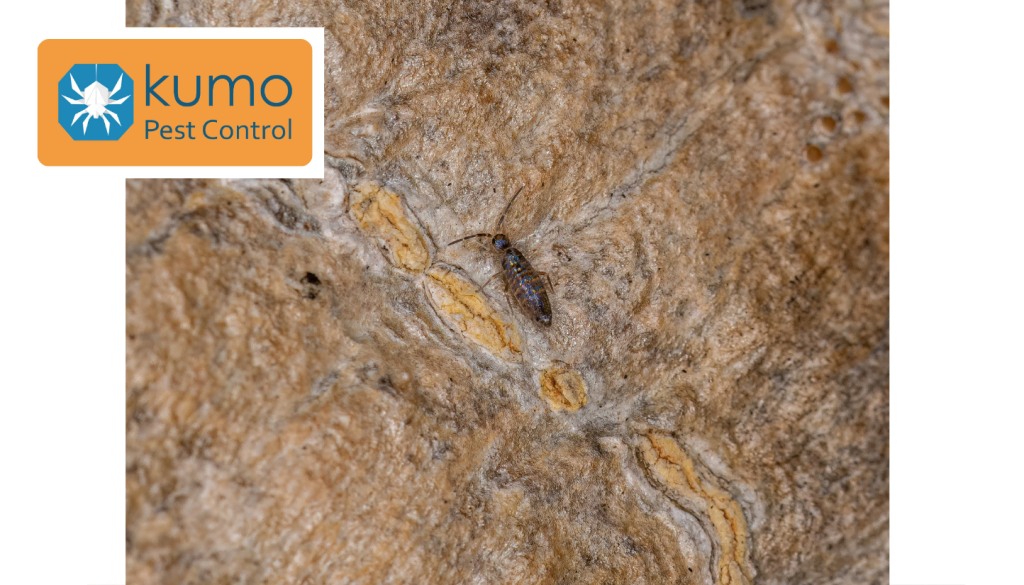
Springtails are tiny, wingless organisms commonly found in soil, mulch, leaf litter, compost, decaying wood, and other damp organic material.
Many springtails have a forked structure beneath the body called a furcula. When disturbed, they can use it to propel themselves into the air. This jumping movement is often the first thing homeowners notice.
Springtails may be white, gray, brown, or black. Because they are so small, they often look like tiny moving specks rather than clearly defined insects.
Where Are Springtails Commonly Found?
Springtails need high moisture levels to survive. Around a home, they may appear in:
- Bathtubs and showers
- Bathroom and kitchen sinks
- Basements
- Crawl spaces
- Window frames and windowsills
- Areas around plumbing leaks
- Damp concrete
- Houseplant soil
- Mulch and landscaping
- Areas near foundations and exterior faucets
Their presence does not necessarily mean the home is infested throughout. In many cases, they are entering from outside or gathering around a specific moisture source.
Are Springtails the Same as Fleas?
Springtails are often mistaken for fleas because both are small and can jump. However, they are very different pests.
Fleas are parasites that feed on blood and may bite people or animals. Springtails feed primarily on fungi, algae, bacteria, and decaying organic material.
Springtails are also strongly associated with moisture. If tiny jumping pests are appearing mainly around sinks, tubs, damp windows, wet concrete, plant soil, or the foundation, springtails are more likely than fleas.
Flea activity is more commonly connected to pets, wildlife, carpets, bedding, and animal resting areas.
Why Are Springtails Appearing in My Smithfield Home?
Springtails usually become noticeable when a property provides the moisture and organic material they need.
Possible contributing conditions include:
- Plumbing leaks
- Condensation around pipes or windows
- Damp basements or crawl spaces
- Poor bathroom ventilation
- Water collecting near the foundation
- Excessive lawn irrigation
- Gutters or downspouts that discharge too close to the home
- Thick or consistently wet mulch
- Overwatered houseplants
- Mold, mildew, or decaying wood
- Gaps beneath doors, windows, or siding
Springtails may move indoors during dry weather while searching for moisture. Large numbers can also appear after prolonged rain saturates the soil and forces them from their usual outdoor habitat.
Are Springtails Harmful?
Springtails are primarily nuisance pests.
They do not bite or sting, and they are not known to damage clothing, furniture, stored food, or the structure of a home. They commonly feed on fungi and decomposing organic material.
However, frequent indoor springtail activity can indicate an unresolved moisture problem. Even though springtails themselves are unlikely to damage the property, persistent dampness can contribute to mold, mildew, wood deterioration, and other problems that may require attention.
How to Reduce Springtail Activity
Lower indoor humidity
Use bathroom and kitchen exhaust fans and improve airflow in damp rooms. A dehumidifier may help in basements, crawl spaces, or other areas with consistently high humidity.
Dry tubs, sinks, counters, and nearby surfaces when springtails are concentrated in those locations.
Repair leaks
Check plumbing, windows, roofs, foundations, and crawl spaces for leaks or water intrusion.
Pest control cannot correct a leaking pipe, poor drainage, or structural moisture problem. Those conditions may need to be addressed separately before springtail activity declines.
Inspect for mold and wet materials
Remove damp cardboard, decomposing plant material, damaged wood, and other wet organic materials that may provide food and habitat.
Recurring mold, water damage, or widespread dampness may require evaluation by an appropriate property or moisture-control professional.
Adjust houseplant watering
Springtails often live in moist potting soil. Avoid keeping the soil continuously saturated and empty standing water from plant saucers.
Allowing the top portion of the soil to dry appropriately between waterings may help reduce activity without harming the plant.
Improve exterior drainage
Make sure gutters and downspouts direct water away from the foundation. Correct areas where irrigation or rainfall repeatedly saturates soil next to the home.
Reducing thick, consistently wet mulch near the foundation may also help.
Seal possible entry points
Inspect:
- Door sweeps
- Window frames
- Siding gaps
- Utility penetrations
- Foundation openings
- Crawl-space entrances
Seal accessible gaps where appropriate.
Remove visible springtails
A vacuum can remove springtails from floors, tubs, windowsills, and other surfaces. Wipe damp surfaces dry after removal.
Vacuuming helps manage visible activity but will not resolve the moisture condition attracting or supporting the pests.
Are Pesticides Necessary for Springtails?
Moisture correction is usually the most important part of springtail management.
Treating only the insects inside may have limited value when leaks, excessive humidity, mold, saturated soil, or wet building materials remain present. New springtails may also continue entering from outdoors.
A pest-control professional can help confirm the identification, inspect possible entry points, and determine whether an exterior or targeted pest treatment is appropriate. However, treatment should be combined with correcting the moisture source whenever possible.
Springtail or Earwig?
Springtails and earwigs both favor damp environments, but they look and behave differently.
A springtail is extremely small and jumps when disturbed. An earwig is much larger, has an elongated body, and has visible pincers at the rear.
Finding larger insects with pincers instead? Read our guide to earwigs in Smithfield homes.
When to Request a Professional Inspection
Professional help may be appropriate when:
- Large numbers of springtails appear repeatedly
- Activity continues after moisture has been reduced
- You cannot identify where they are coming from
- Springtails are entering from several areas
- The problem involves a crawl space or inaccessible void
- You are unsure whether the pest is a springtail, flea, mite, or another small organism
- Other household pests are present
Correct identification matters because different small pests require different recommendations.
Help Identifying Springtails in Smithfield, NC
Kumo Pest Control serves Smithfield and surrounding communities in Johnston and Wake counties.
A Kumo technician can inspect the areas where pest activity is occurring, help identify the organism, and evaluate possible entry points and exterior conditions. When pest treatment is appropriate, Kumo can recommend an option based on the property and the activity present.
Homeowners can review Kumo’s residential pest-control programs and pricing options before scheduling an inspection.
Because springtail activity is closely associated with moisture, homeowners should also be prepared to correct leaks, humidity, drainage, or wet materials contributing to the problem.
Frequently Asked Questions About Springtails
Why are springtails in my bathtub?
Springtails seek moisture and may become trapped on the smooth surface of a tub. Check for condensation, plumbing leaks, gaps around pipes, and elevated bathroom humidity.
Do springtails bite people or pets?
No. Springtails do not bite or sting people or pets.
Can springtails damage my home?
Springtails do not normally damage a home’s structure or belongings. However, the moisture supporting them can contribute to mold, rot, or other property problems.
Why do springtails appear after rain?
Prolonged rain can saturate the soil and force springtails to move. They may gather around foundations or enter through small openings.
Can springtails come from houseplants?
Yes. Springtails commonly live in moist potting soil. Allowing the soil surface to dry appropriately between waterings may help reduce their numbers.
Will springtails disappear when the area dries?
Springtail activity usually declines after humidity and water sources are reduced. Continuing entry from outdoors may also need to be addressed.
Get Help With Springtails in Smithfield, NC
The most effective response to springtails begins with correct identification and moisture control. Fixing leaks, improving ventilation, drying wet areas, adjusting landscaping, and sealing entry points can reduce the conditions springtails need.
When tiny jumping pests continue appearing—or when you are unsure what type of pest you have—Kumo Pest Control can inspect the problem and recommend an appropriate next step.
Call 919-628-0833 or contact Kumo Pest Control to request help with pest activity at your Smithfield home.